

Purified air work environment
Written by Andalib Kiria
December 5, 2024
The Air We Breathe: Why Purified Air is Essential for a Productive Workspace
When it comes to setting up the ideal workspace, we often focus on the usual suspects: ergonomic chairs, organized desks, and the right tech. However, one aspect that is easily overlooked in most industries is the air quality. Clean, purified air in the workspace does not just contribute to a pleasant environment, it has tangible benefits on health, focus, and productivity. Here’s why investing in purified air devices or machinary can make a world of difference in your work life and how to make it part of your ideal workspace setup.
1. The Benefits of Purified Air for Cognitive Function
Pollutants like dust, volatile organic compounds (VOCs), and allergens can make concentration difficult, leading to brain fog, headaches, and fatigue. This is especially true for people working long hours, where indoor air quality can start to have noticeable effects on productivity and focus.
Key Benefits:
- Enhanced Focus: Improved air quality has been linked to better cognitive performance. A study by Harvard found that employees working in spaces with purified air performed better on tests of mental clarity and problem-solving.
- Reduced Fatigue: Purified air reduces common irritants that can cause respiratory issues and fatigue, keeping energy levels high throughout the day.
- Fewer Sick Days: Cleaner air also means fewer chances for airborne pathogens and viruses to spread, which can lead to a healthier workplace overall.
2. How Indoor Pollutants Affect Health and Productivity
Indoor air quality can be up to five times more polluted than outdoor air, largely due to dust, mold, VOCs from building materials, and everyday pollutants from things like printers, carpets, and cleaning products. For a developer or any professional working long hours indoors, these pollutants can lead to health problems over time, including allergies, respiratory issues, and even long-term health risks.
Common Pollutants:
- Dust and Allergens: These microscopic particles build up quickly and contribute to allergies and respiratory discomfort.
- VOCs: Emitted by common office items like furniture, paint, and cleaning products, VOCs can trigger headaches and cause dizziness.
- Mold Spores: Mold is a frequent contaminant in damp areas or poorly ventilated spaces. Exposure to mold can cause respiratory issues and worsen allergies.

3. Setting Up an Air Purified Workspace
The good news is that improving air quality doesn’t have to be a daunting task. Simple, consistent practices and some strategic tools can drastically improve air quality, creating a fresher and more comfortable work environment.
Steps to Improve Air Quality:
- Invest in a Quality Air Purifier: Look for a HEPA filter purifier, which removes up to 99.97% of airborne particles like dust, allergens and VOCs that are bigger than 0.3 microns. For optimal results, choose one that fits the square footage of your space and consider an activated carbon filter for extra protection against odors and chemicals.
- Add Indoor Plants: Certain plants, like spider plants, peace lilies, and snake plants, naturally filter air. They not only contribute to a cleaner environment but add a touch of greenery and calm to the workspace.
- Ventilate Regularly: Open windows or set up a fan for at least a few minutes a day to allow fresh air to circulate. Good ventilation reduces the buildup of pollutants, keeping indoor air healthier and fresher.
4. Maintaining Air Quality for Lasting Benefits
After setting up a system for cleaner air, maintaining it is key to keeping your workspace fresh and healthy. Regularly cleaning your workspace and purifiers is essential to prevent allergens and dust from building up again.
Maintenance Tips:
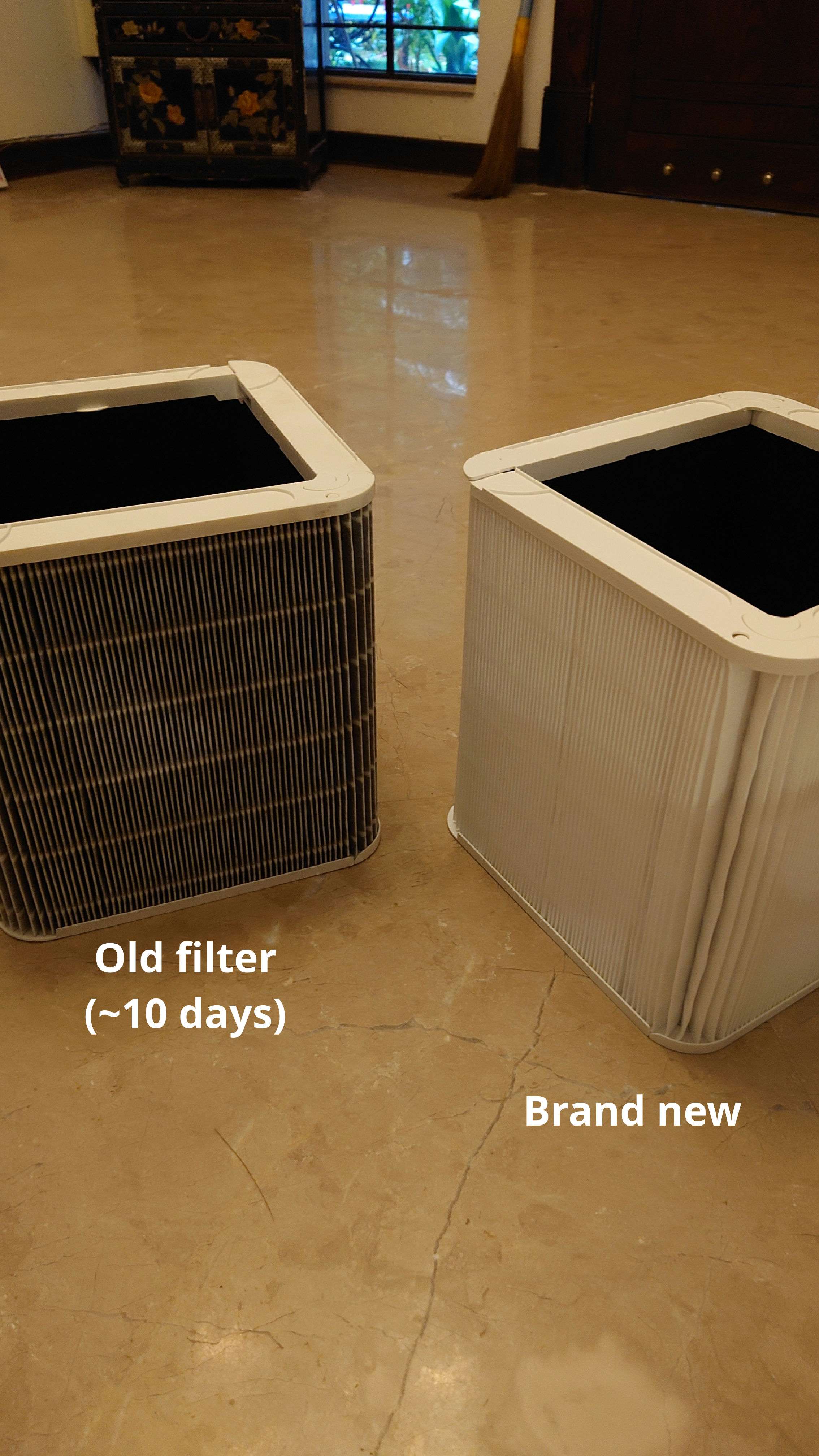
- Change Air Purifier Filters: Follow the manufacturer’s recommendations on changing filters, usually every 3-6 months, to keep your purifier working effectively.
- Dust and Vacuum Regularly: Keep dust from settling on surfaces by wiping down your workspace weekly, and vacuum with a HEPA filter to trap small particles.
- Check for Mold and Dampness: If your workspace is prone to dampness, consider using a dehumidifier or regularly inspecting areas for mold growth.
Natural Remedies:
- Essential Oils: Essentials oils are a great source to purify the air. Most are only suitable for breathing in but some are digestible and recommended if one has bad breath or infected lungs. Different companies make different potency, so it is best to do some research to discover which companies are well known for their essential oil products.
- Wash hands: Just like during COVID times, washing your hands after coming into contact with foreign objects or other people is a good habit to practice. Hands transfer many microbes unseen to the eye but if ingested, can cause a world of pain. Washing them at the appropriate times significantly reduces that risk, but over washing can also cause harm to the skin.
- Clear Nose and Tongue: Just like the hands, having a clear airway is just as important. To keep things simple, blowing your nose frequently throughout the day and using a proper tongue scraper can keep your lungs from building mucus and relieving the body from infection. Using a proper tongure scraper, ones made from copper or steel, are best to remove the layer of fungus, such as candida.
- Indoor Plants: These types of plants are excellent way to clean the indoor air. Plants such as Peace Lily, Monstera Deliciosa, Areca Palm, and Samsevieria Laurentil are some of the few that not only purify the air, but also easy to maintain.

5. Create a Breathing Zone for Focused Work
Position your air purifier near your desk or where you spend most of your time to create a "breathing zone" with maximum air purity. This way, the air you’re inhaling most directly is as clean as possible, reducing distractions and keeping you focused and refreshed.

Wrapping Up
For developers and office workers alike, purified air can make a real impact on daily productivity and well-being. Cleaner air promotes clearer thinking, higher energy levels, and better overall health. By investing in an air purifier, maintaining a consistent cleaning schedule, and using natural remedies, you’re setting up a workspace that supports not only your productivity but also your health in the long term. Clean air isn’t a luxury; it’s a foundational element of an ideal work environment.
Breathing easier while you work can have profound effects on productivity, health, and happiness. Small changes like investing in an air purifier or adding plants are simple yet powerful steps toward a workspace that supports your best self every day.
Share this article